Norse culture is more than symbols, ornament, and tradition. It is a living heritage that continues to shape the way we build, communicate, create, work, and live together.
Our mission is to work with businesses, organisations, and individuals to express that heritage with confidence — through contemporary design, compelling writing, education, and cultural guidance.
Whether you are developing a visual identity, seeking a stronger organisational culture, or exploring the values that have shaped the Nordic peoples for generations, we provide the knowledge and tools to bring a distinctly Norse perspective into the modern world:
- Clear Norse aesthetics — graphic design, interior design, visual identity.
- Clear Norse ethics.
- Practical equality and mutual respect.
- Straightforward, honest communication.
- Personal responsibility balanced by community.
- Hospitality.
- Stewardship of land and resources.
- Craftsmanship and quality.
- Local decision-making and participation.
- Resilience and self-reliance.
- Up to date knowledge of our history.
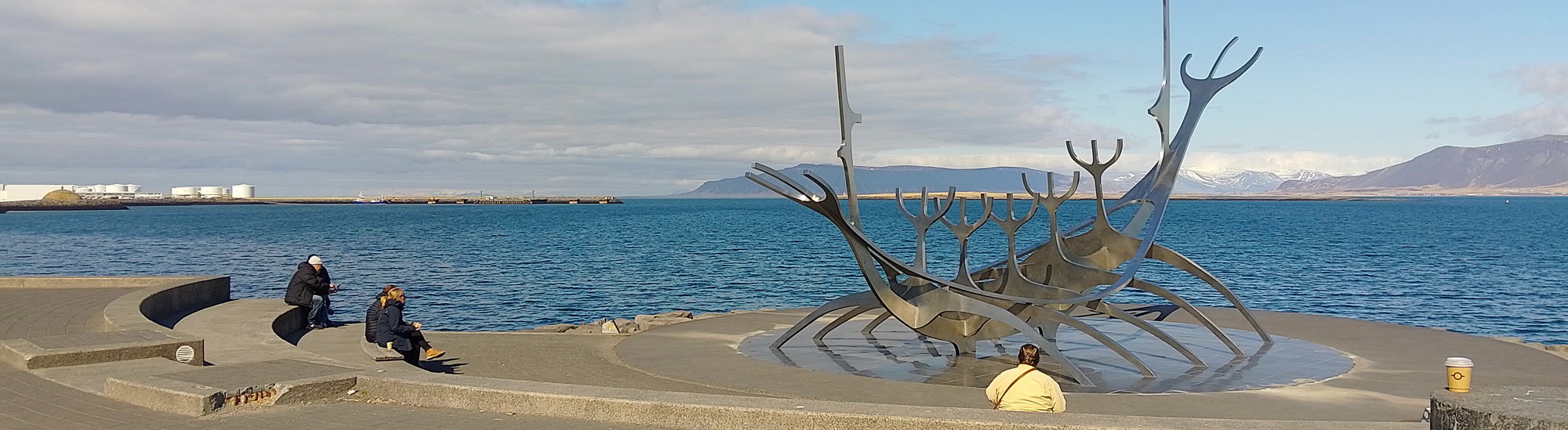
Sólfar (The Sun Voyager) is a is a modern work of art in the Reykjavik harbour with clear roots in traditional Nordic ships and graphic art.
The culture of the Nordic countries is ultra modern and therefore not tied down to the past and authenticity, but in many creative ways inspired by strong traditions. A clear example of this is the widespread tattoos with runes and Nordic gods; our ancestors were not tattooed a thousand years ago, but we live in the present and express beloved traditions in new ways.
What does "Viking" mean?
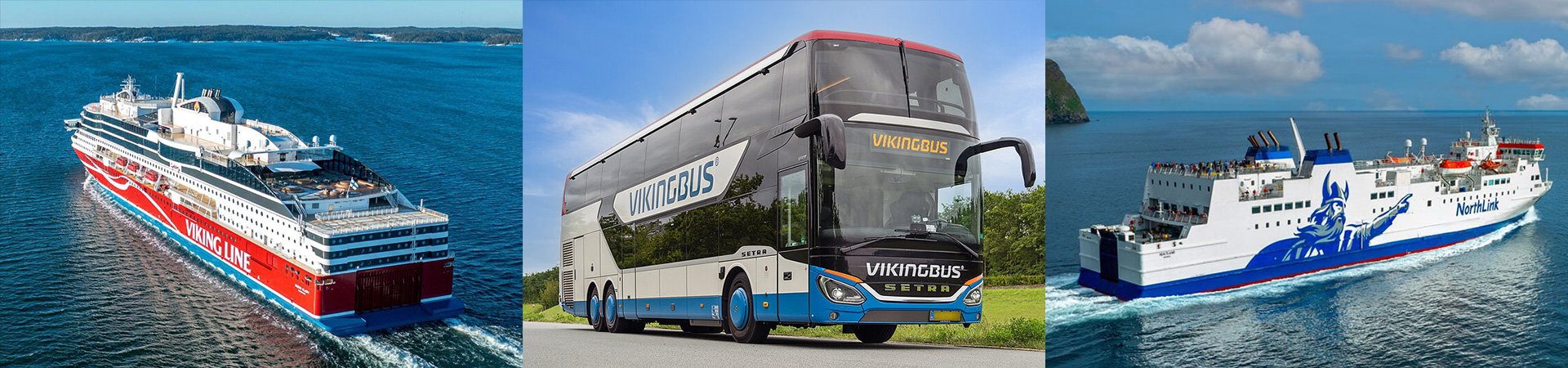
The word “Viking” itself has changed meaning over the years, from “From-the-Bay” (Vik or Vig means bay), to pirate or expedition, and to Nordic culture; everything from souvenir shops to bus companies and gyms.
Viking is not tied to a specific ethnicity, as emigration and immigration have always been a large part of Nordic culture, but to the landscape of the North, and certain character traits such as mutual respect, hospitality, independence, integrity, and self-sufficiency.
Nor is Viking tied to a specific religion, as the historical Viking Age was actually a slow transition from Ásatrú to Christianity, and most modern vikings are atheist.
What is the Viking Religion?
With the obvious minority exceptions, the “Viking Religion” is actually none at all – de facto atheism.
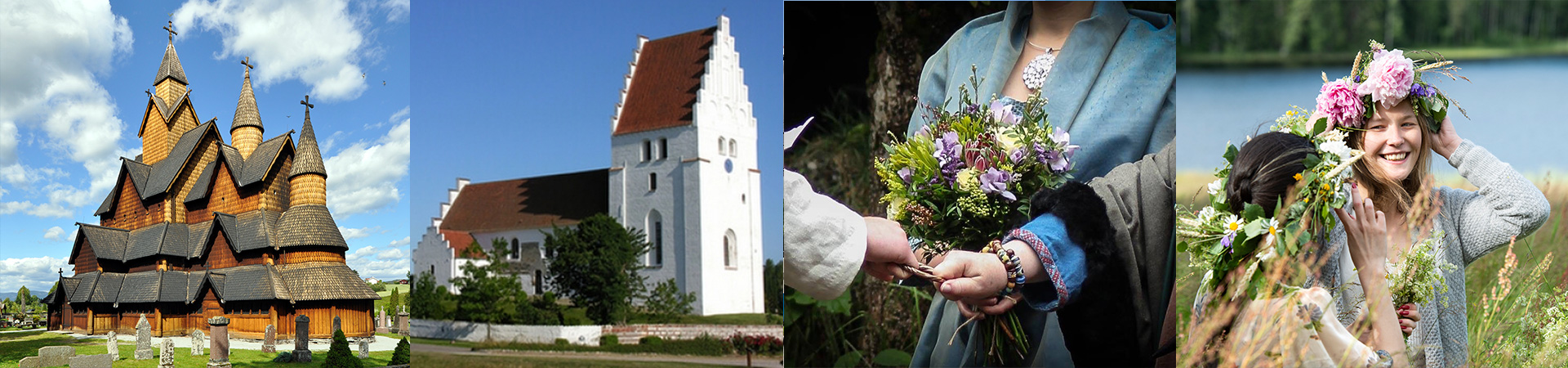
From c. year 700 to 1300 the Nordic countries slowly transitioned from Ásatrú (Norse mythology) to Christianity, and today about 65% of the Nordic people are officially members of the national Lutheran congregations, however mainly for traditional reasons, and to contribute with the (very low) church tax to the building maintenance. When asked if they believe in God, less than 10% answer yes, and for the Bible creation myth the answer is around 0%.
At the same time a small Ásatrú community is slowly growing in all the Nordic countries, but the numbers are far from impressive.
But when we talk about folklore there is a persistent attention to the Norse gods, and especially to the Huldufólk, elfs and trolls; we still celebrate Jul/Jól instead of Christmas, and many annual feast days have a distinct Ásatrú element.
In short: A lot of attention towards something we don’t really believe in.
Before talking about religion and faith in the Nordic countries you need to develop a sense of humour, and leave all sensitivity in the wardrobe.
Even for the strongest believer the old Norse mindset prevail: Only actions count – thoughts and emotions are tax-free.
What does a modern Viking look like?
Like everybody else: Jeans, shirts, and smartphone in hand.
The Nordic countries is not a big Iron Age reenactment festival.
How does a Modern Viking behave?
With all the obvious deviations and exceptions, shaped by individual backgrounds and experiences, the norm in the Nordic countries is: Very accommodating, extremely hospitable, generous, self-reliant, self-confident, and very hard to upset. At the same time completely indifferent to cultural sensitivity.
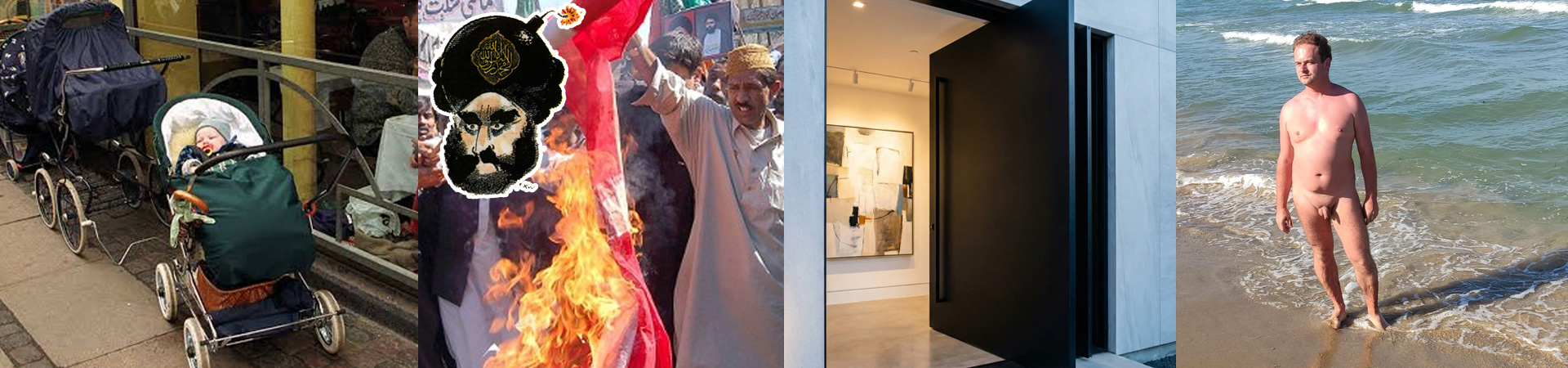
Public breastfeeding, public nudity, public alcohol consumption, etc, is what we in the Nordic countries call “Tuesday”.
If people somewhere else in the world will have a problem with Prophet Muhammad cartoons, they have a problem – we don’t.
If they burn a Danish flag we don’t care.
Often described as the “Jante Law”, a humble attitude is enshrined in the Norse people, and even a fantasylionaire would rather die than drive a Ferrari or wear large golden jewellery. The general perception is that if you brag, you are covering up some serious doubts about yourself. Generally speaking, if you claim to be wealthy, we assume you are in financial trouble, and if you claim to be tough, we will perceive you as fragile and scared.
We can not be intimidated, and we are very hard to impress.
Trust is given by default, respect is earned.
We leave sleeping infants in a stroller outside the restaurant, and the phone on the table when we go to the loo. In the countryside many people don’t lock their doors.
We trust our neighbours and strangers, we trust the government, educational institutions, and the public healthcare. More than 90% of the time our trust is rewarded.
We are hesitant to give promises, but when we do we will deliver or die trying.
Time is important, money is not. Being fifteen minutes late is more insulting than setting all my money on fire.
Everybody holds equal value. From Bronze Age village to modern IT company, this is an indisputable and timeless fact. The CEO of the company and the guy who sweeps the floor will show eachother respect in equal measures, and no decisions will be made until everybody’s opinions and ideas have been taken into consideration.
Gender equality is so obvious we don’t even talk about it.
Inclusion is equally obvious, but under the condition that the inclusion is received with reciprocal respect.
Having a temper is acceptable if you are developmentally disabled – otherwise not.

What do modern Vikings eat?
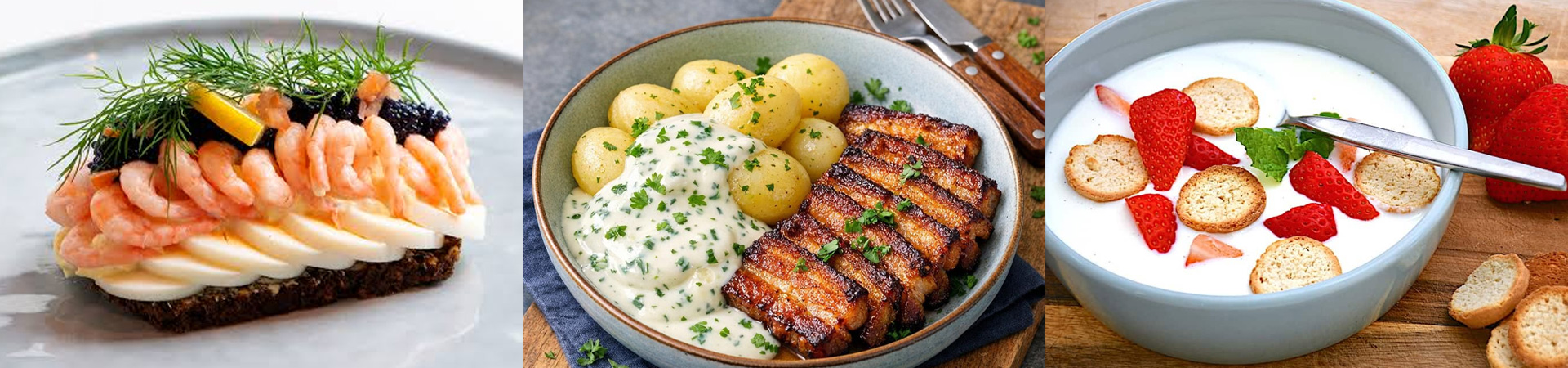
Pork, fish, rye, wheat, potatoes, milk and eggs are the main ingredients in our diets. In Iceland replace pork with lamb.
Bread with a meat/fish spread and two-three toppings for one meal, and the next meal will be a large piece of meat/fish served with potatoes/rice/pasta, some greens on the side, and some thick gravy of some sorts.
We drink water, milk, beer and wine, and the occasional cocktail. And we drink much more coffee than any other place in the world, in spite of not producing the black gold ourselves.
Traditionally we eat three meals a day: Breakfast, lunch and dinner. The in-between snack is a newcomer in the Nordic countries.
For treats we prefer liquorice and chocolate, and the occasional pastries or chocolate cake with berries and whipped cream.
The longer you observe us the more you will notice minor local variations.
How is the conversation between modern Vikings?
Direct, honest and without pretense. Having your opinion expressed is more important than peace. Being clear is more important than politeness.
A business conversation does not start with pleasantries and questions to the family, as this is considered bad taste and cheap tricks, but is usually concluded like this when the deal is done, as this shows genuine interest.
What is considered success for a modern Viking?
Time! Having time for family, leisure interests, genuine commitment, personal connections.
Money and status symbols are of secondary importance.
What is the importance of family and friendship for the modern Viking?
The culture of the Nordic countries is clearly more individualistic than collectivist. That said, it is important to understand that the family is the closest circle around a person, and that friendships that start in kindergarten often last a lifetime. Friendships and family ties can last despite differences in faith, political differences and moral disagreements.
What is perceived as said in confidence remains a secret that we take with us to the grave.
A promise made is kept, or we die trying.
Honesty, confidentiality, and integrity are considered the greatest virtues.
What is humor for the modern Viking?
Primarily self-irony and understated sarcasm.
What is taboo for the modern Viking?
There are no taboos. Depending on the company, all topics can be discussed, including sex, faith, politics, offenses, and more.
What is the modern Viking's relationship with authority figures?
No authority is above scrutiny. If you can’t stand being met with skepticism, you should remain silent – regardless of your position and status.
How welcoming are modern Vikings?
Not particularly. We talk to strangers if there is a specific reason for it, otherwise not.